
The Booker T. Washington School had been part of the Clarkton community in Bladen County for more than a century when Dr. Amanda Lee first walked its halls in 2023.
As the president of Bladen Community College (BCC), she’d been on the lookout for a site where the college could offer expanded programming.
Booker T. Washington — as locals call the building — hadn’t been used as a public school since June 2016. It served as a shelter during Hurricane Matthew a few months later, but otherwise had been sitting mostly empty for several years.
“I had heard through the grapevine that the public schools were going to try to find a new owner for it,” Lee said during a recent tour of the building. “And I came out here, and looked around, and fell in love.”
What she saw in the school was what the surrounding community had long seen — a place where students belonged.
That visit would prove to be the start of a collaboration between BCC, the Bladen County Board of Commissioners, Bladen County Schools (BCS), and Bladen Smart Start with the goal of educating students from birth to adulthood in the school’s second century.
Now the school is home to Bladen Smart Start’s headquarters, spaces serving BCC’s culinary and agribusiness programs, and four classrooms set aside for meeting the community’s child care needs in the future.
The school’s first century
According to records provided by Annie M. Rhodes, a community member who has researched the history of the site, the original school was the Clarkton School for Negroes, a one-room schoolhouse that served the area’s Black students in the early 1900s.
In the 1920s and ‘30s the school and its campus expanded and became known as the Clarkton Negro High School. The name was changed to honor Booker T. Washington in 1940.
Booker T. Washington High School continued to expand, and by the 1960s, it sat on 15 acres. The school’s nearly 800 students were taught by a staff of 27 teachers and were transported to school on 10 buses serving about 90% of students.
The school was integrated in 1970 and became Booker T. Washington Middle School, serving fourth to eighth grade students for more than a decade.
In 1982, the school made another transition, this time as Booker T. Washington Primary School for students in kindergarten to fifth grade, eventually adding pre-K classes as well. It remained an elementary school until 2016.
Dr. Jason Atkinson, superintendent of BCS, was working in a different role for the district at that time but said the enrollment at Booker T. Washington had decreased to about 120 students. That presented challenges for staffing and resourcing the school, which led to the decision to close it.
More on repurposed schools

Atkinson knows how hard such decisions can be, both for school leaders and the communities they serve.
“You know, it’s not fun to close or consolidate a building. It’s not fun at all,” Atkinson said. “But at the end of the day, it’s the best interest of kids at the core (of the decision).”
He said BCS initially planned to use the building for training and other district events, but ultimately, there were other nearby buildings that met the school district’s needs. They made the decision to stop using it in 2018.
The Bladen County Board of Commissioners had the right of first refusal on the property, meaning that if the district sought to sell it, the county got first dibs as a potential buyer.
Atkinson said there were some proposals for the community about how the county could use it, but there was a catch: statutory language requiring the property be used for educational purposes only. The Board of Commissioners decided not to pursue the property.
Until someone could come up with a way to bring students back to Booker T. Washington, the school would sit empty.
Which is how President Lee found it.
A new vision for an old school
When Lee visited the campus in September 2023, she assumed most of the buildings were unfit for use, except for a small annex that BCC was already using through an agreement with BCS. What she was really interested in was the acres of land that could potentially serve as space for a commercial driver’s license (CDL) training program.
She only entered the main building because she wondered whether there were any spaces that could be used for the CDL program’s classroom component.
What she found surprised her.
“The condition of the buildings was so much better than what we had anticipated,” Lee said. “We had really been prepared that they probably were not salvageable.”
The cafeteria immediately caught her attention.
BCC had received a high-cost start-up grant from the North Carolina Community College System to build up its culinary workforce program. The estimate for renovating an industrial kitchen space on the main campus came in too high for the grant, and Lee had been trying to figure out how to pivot. This cafeteria’s industrial kitchen offered a potential solution.
As she explored the campus, she found classrooms that looked like they could have had students in them the week before. She started imagining other classes BCC could offer there, like English as a second language and high school equivalency.
Then she saw the pre-K hall.
“They were really these magical classrooms,” Lee said.
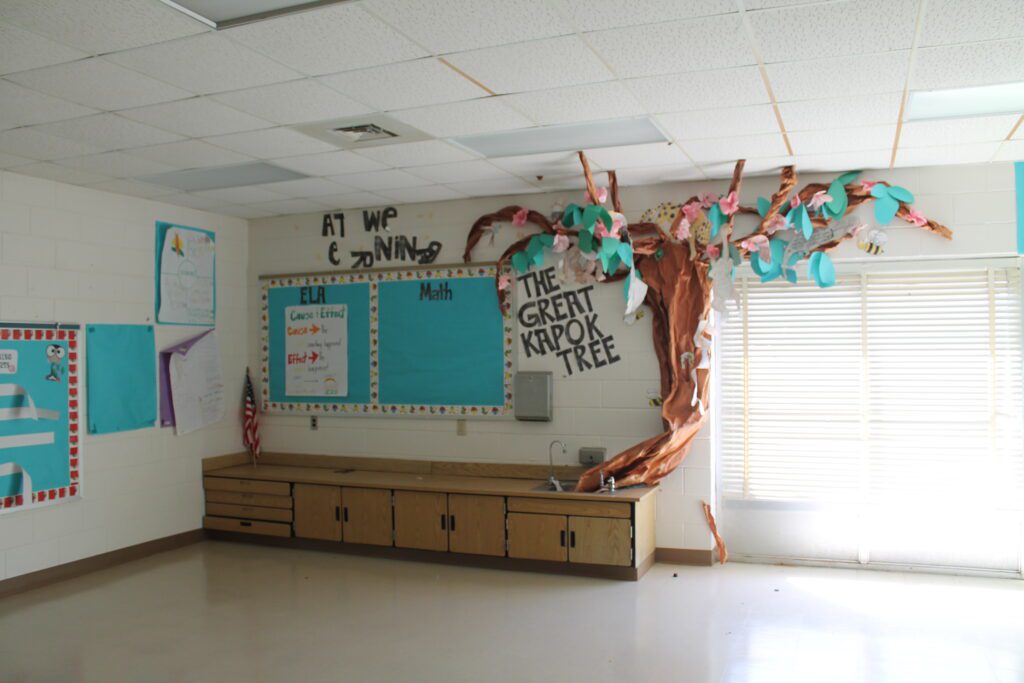
She imagined early childhood educators using the rooms to incubate new businesses, while caring for the children of adult learners attending their own classes on campus.
Then she started thinking differently about the land itself, how it could be used for agribusiness training, and maybe the food grown there could be prepared in the school’s kitchen, then served to families who came to campus to expand their skills. She imagined young learners alongside student parents every step of the way.
Lee could see it all clearly: This campus could be a learning hub for Bladen County residents from birth into adulthood, with children and families learning side-by-side, right on the campus where generations had learned before them.
She quickly realized she needed a gut check.
“I get really excited about an idea and then I worry that I’m not being as objective as I need to be as I start moving forward,” Lee said.
In coordination with Atkinson, she brought in senior staff associated with the programs she imagined offering at Booker T. Washington, along with members of BCC’s Board of Trustees.
That included Lillian Bryant, who’d been executive director of Bladen Smart Start for about 20 years.
“When Dr. Lee had her vision of bringing children on campus along with the adults, I could see the framework as she was talking to me about it, and it was a very dynamic conversation between the two of us about how we could possibly build this,” Bryant said.
For Bryant, it was fortuitous timing. Bladen Smart Start was in need of a new headquarters, and leasing space in Booker T. Washington would put them in a part of the community that both she and Lee referred to as a “child care desert.”
That assessment is backed up by a recent analysis from the Buffett Early Childhood Institute, which estimated a 45% gap between the supply of licensed child care and the need for it in Bladen.
The institute also estimates that Bladen County will lose $18.3 million to $27.9 million in household incomes, business revenues, and tax revenues, over the next decade as a result of this gap being in place for a single year.
With BCC’s Board of Trustees behind the vision, the urgent need to fill this gap is part of what motivated Lee, Atkinson, and Bryant to make Lee’s vision a reality.
A school’s second century
“I thought I would show up and Dr. Atkinson would give me the keys, and we would do this really pretty picture, and we’d be done, and it wasn’t like that at all,” Lee said with a chuckle.
Between September 2023 and March 2024, Lee and Atkinson got approval from the BCC Board of Trustees and the BCS Board of Education to transfer ownership of Booker T. Washington to BCC — at no cost. The only caveat is that if BCC ever planned to stop using the facility, ownership would revert back to BCS.
The Bladen County Board of Commissioners approved an initial annual operating budget of $150,000 for the school, which Lee said has been covered so far by cost savings in other areas of BCC’s regular operating budget.
BCC’s Board of Trustees also approved Lee and Bryant’s plan of leasing part of the building to Bladen Smart Start for their new headquarters.
“The fact that the Bladen County Schools and Bladen Community College came together and came out with an agreement about taking this retired school and putting it back into use again, was very innovative,” Bryant said.
There was now the matter of actually preparing the school to come out of retirement.
“When we decided that we were going to do it, we found out that the heat used to be oil heat,” Lee said. That meant finding where the oil had been stored, then digging up the old tanks.
“The kitchen was supposed to be turnkey, so we thought we could immediately start a culinary program, but none of the equipment worked,” Lee said. They ended up replacing all of the school’s plumbing.
But on Sept. 23, 2025 — just two years after Lee envisioned a new life for the school — BCC hosted a ribbon-cutting on the Booker T. Washington campus.
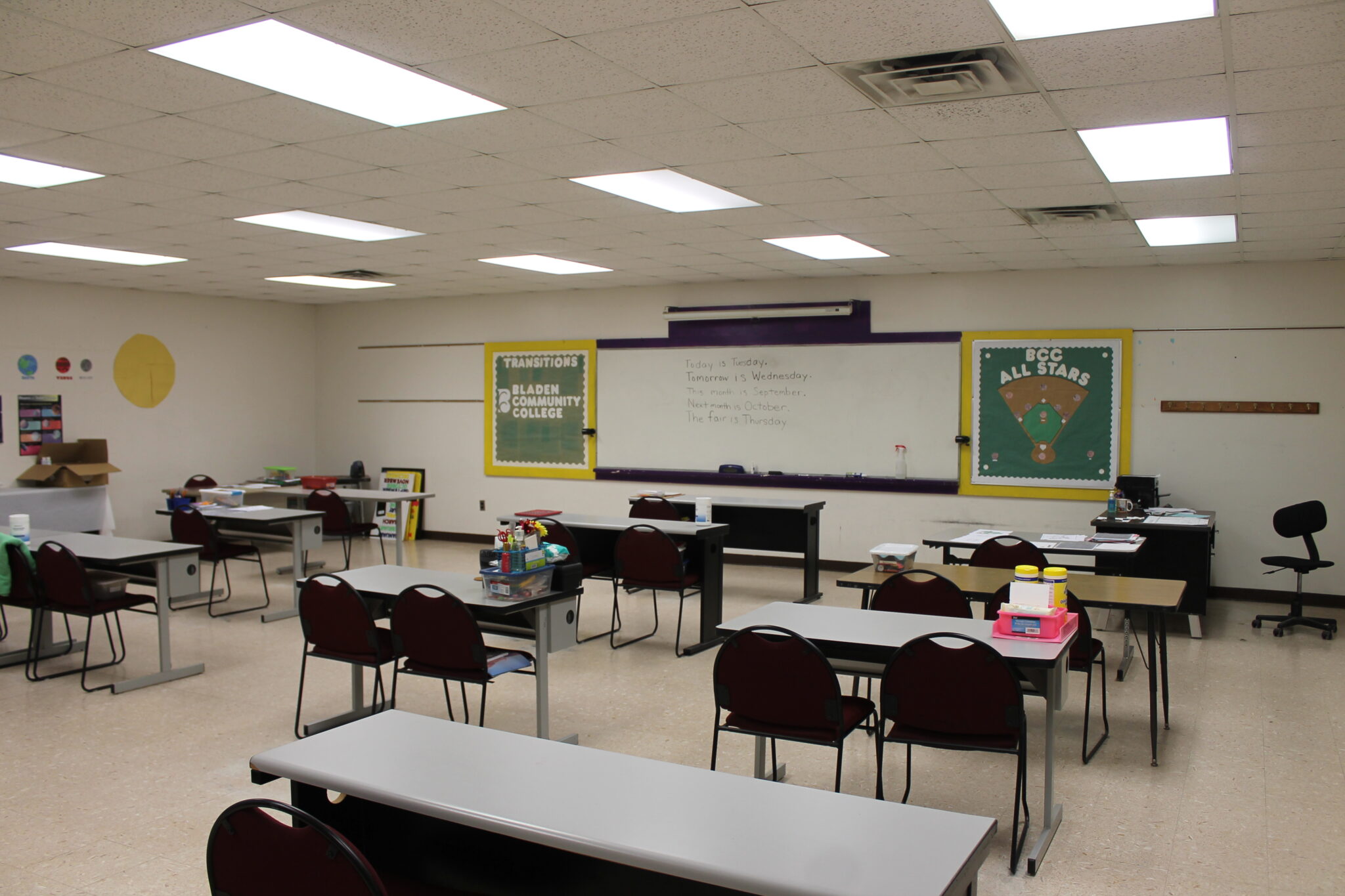
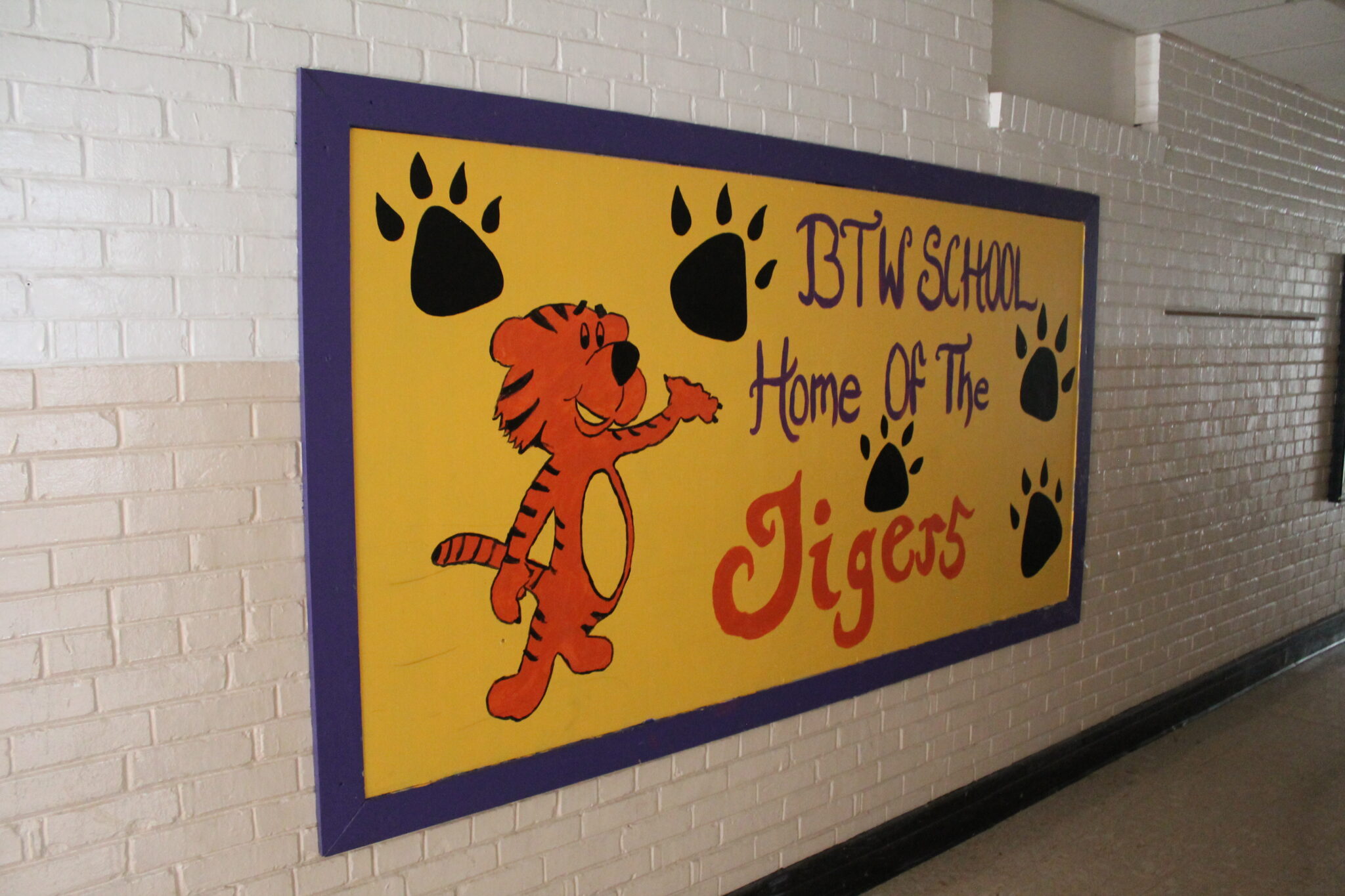
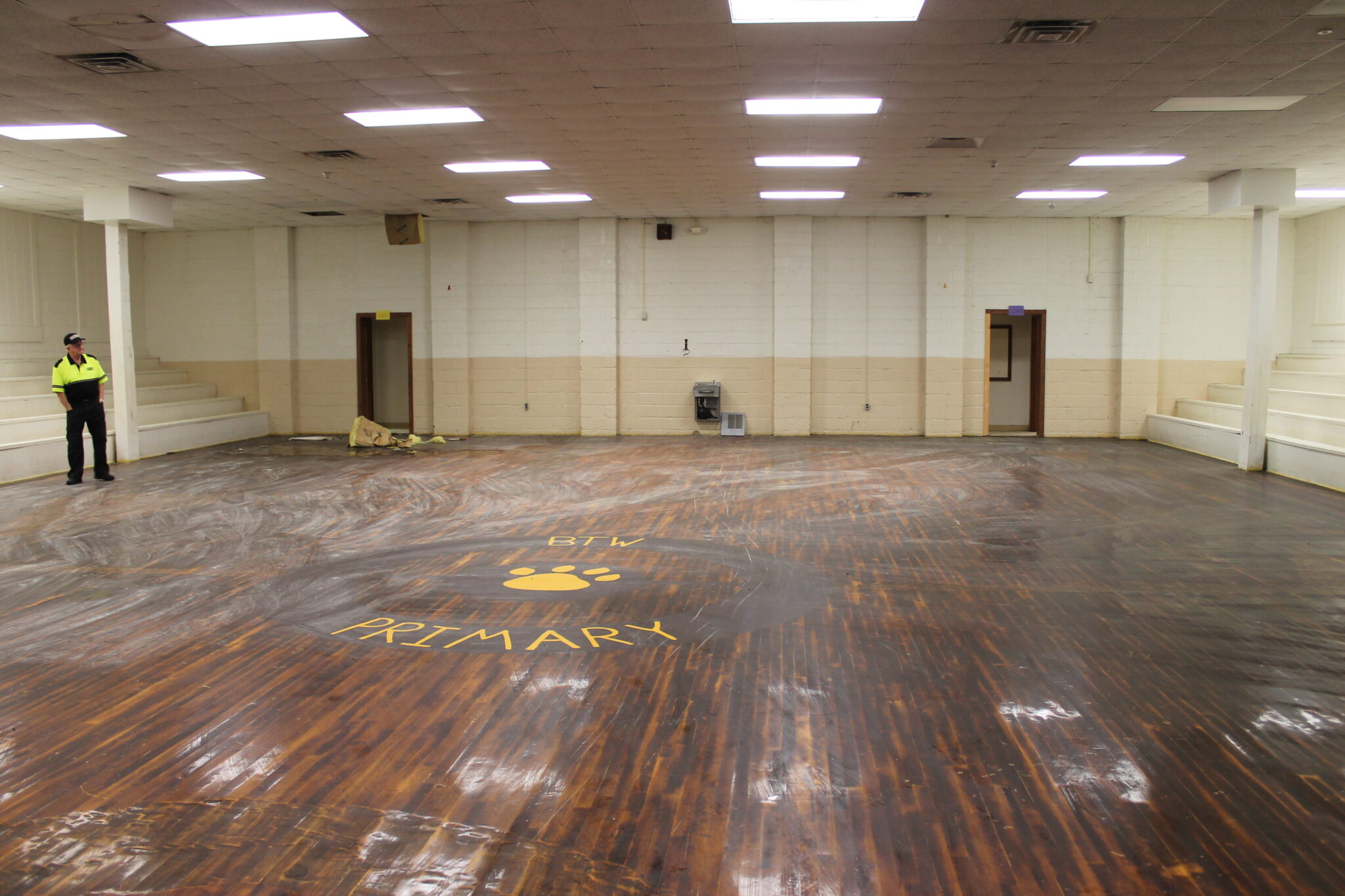
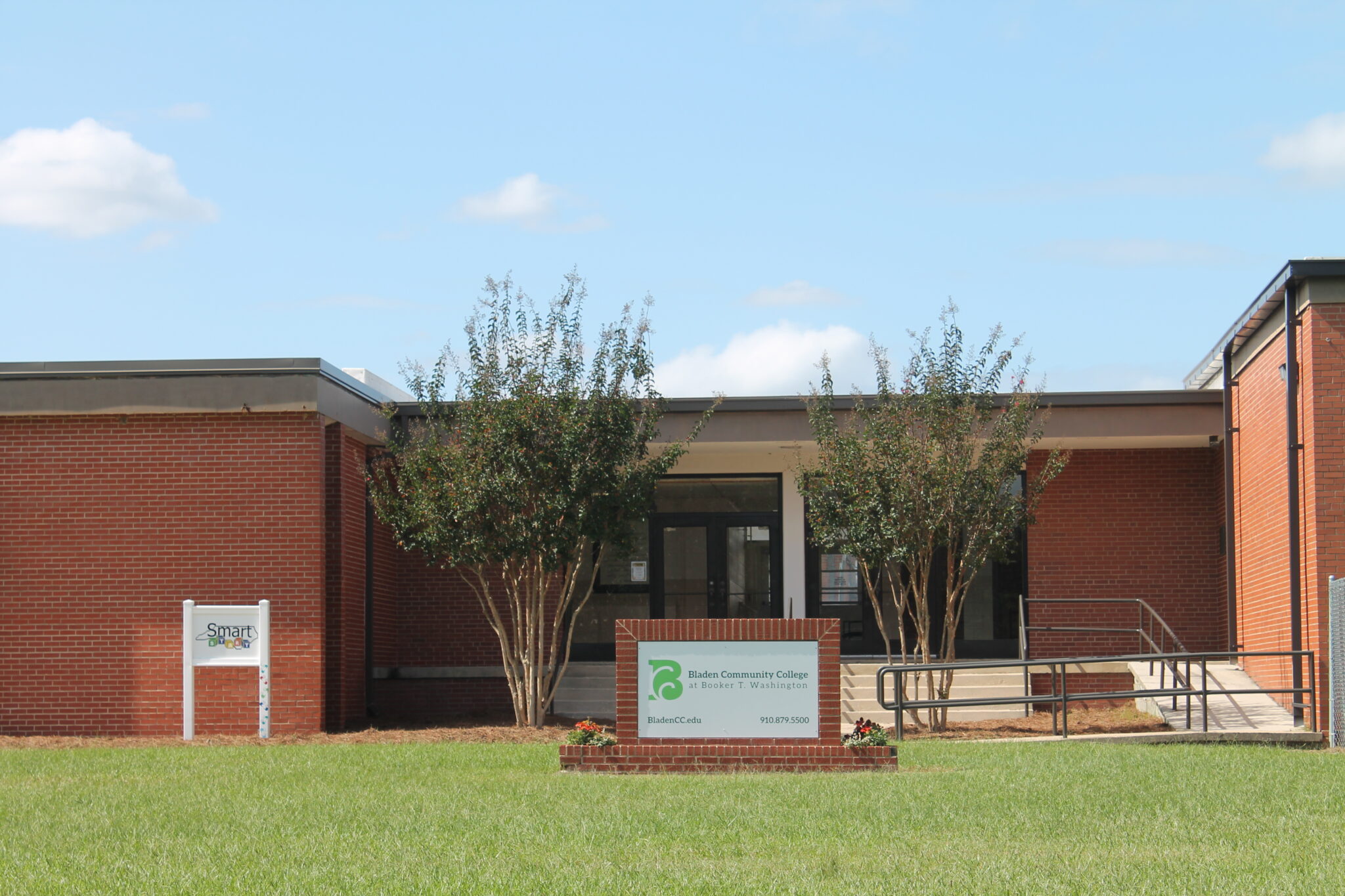
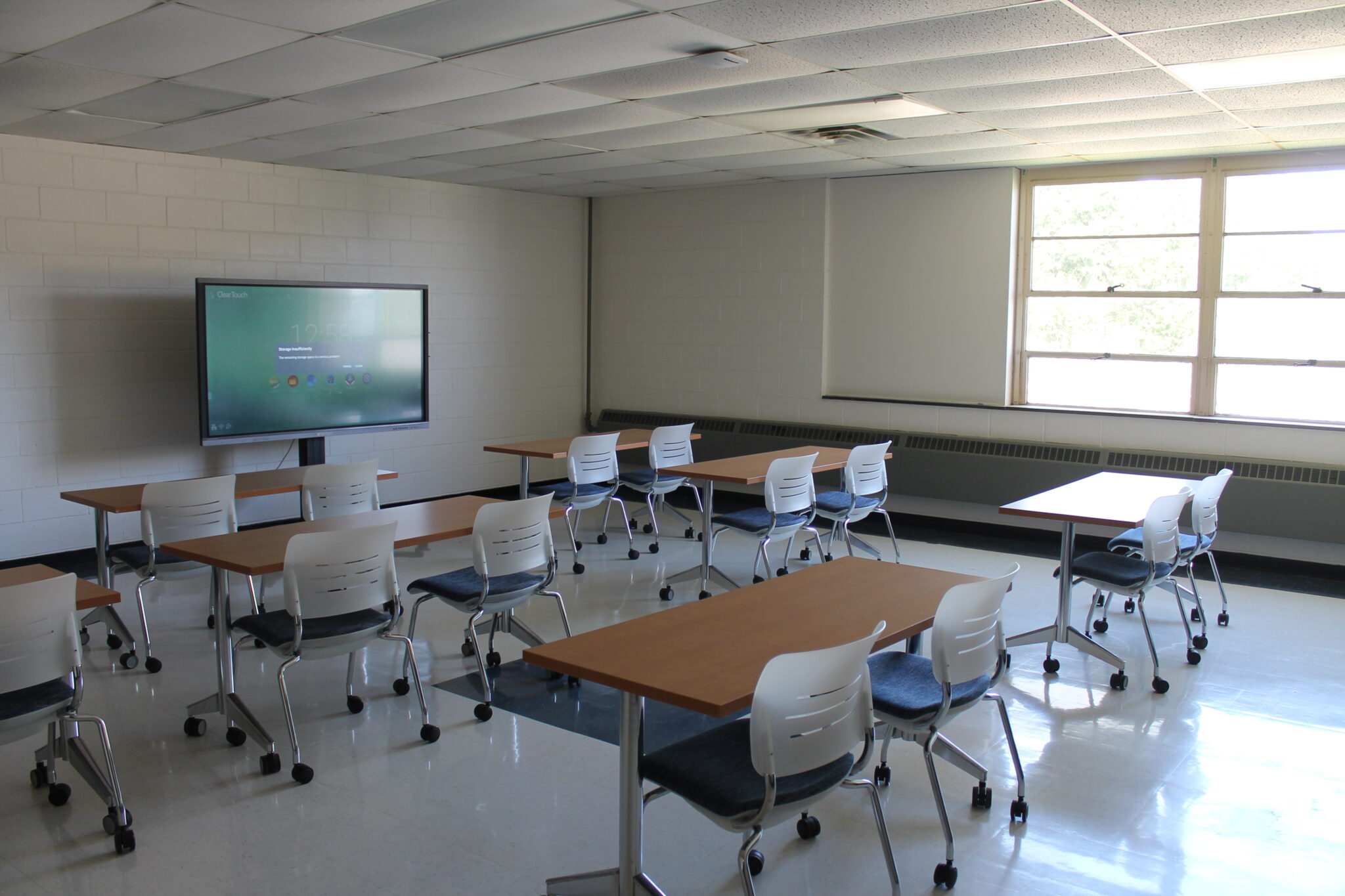
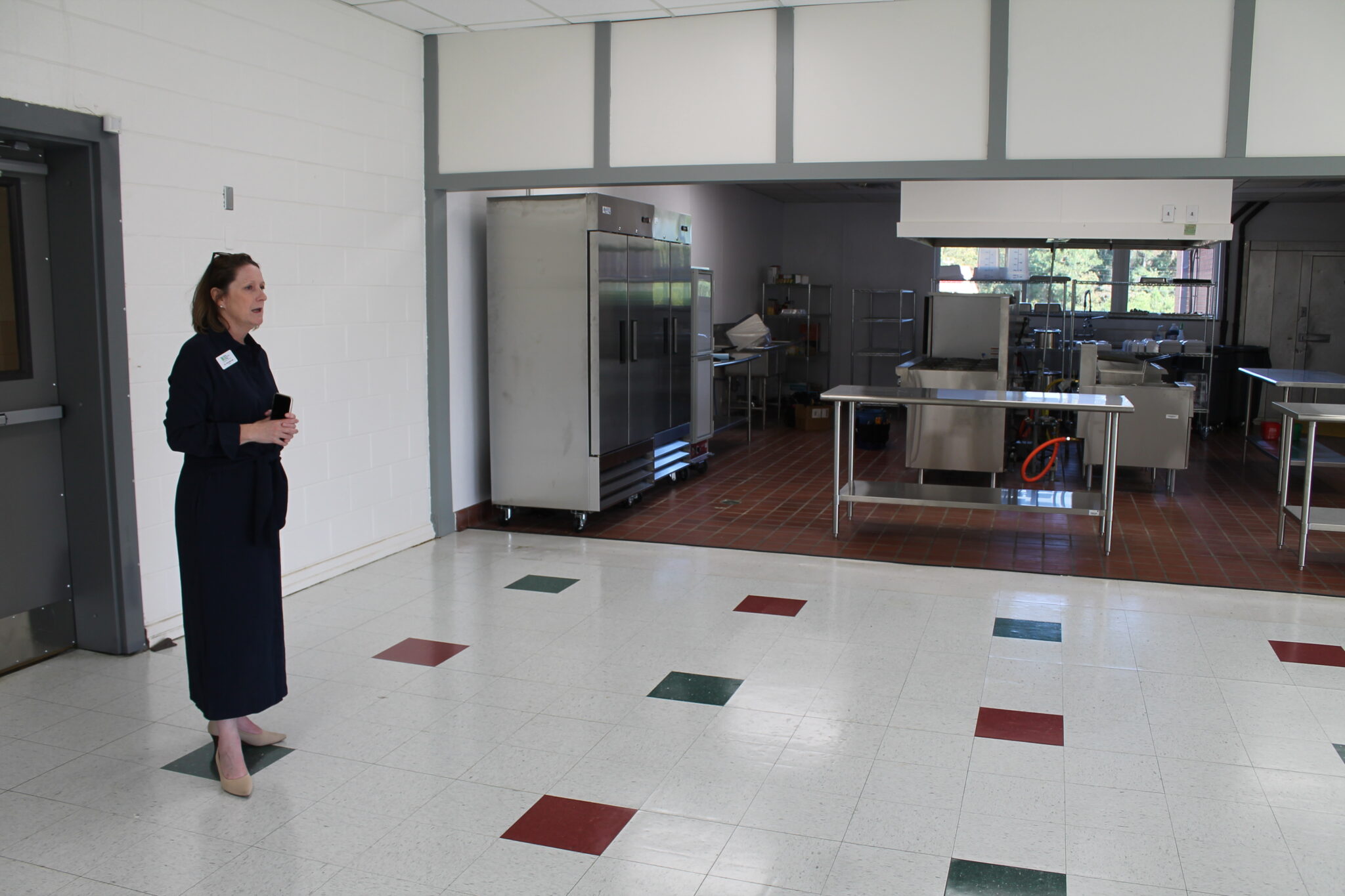
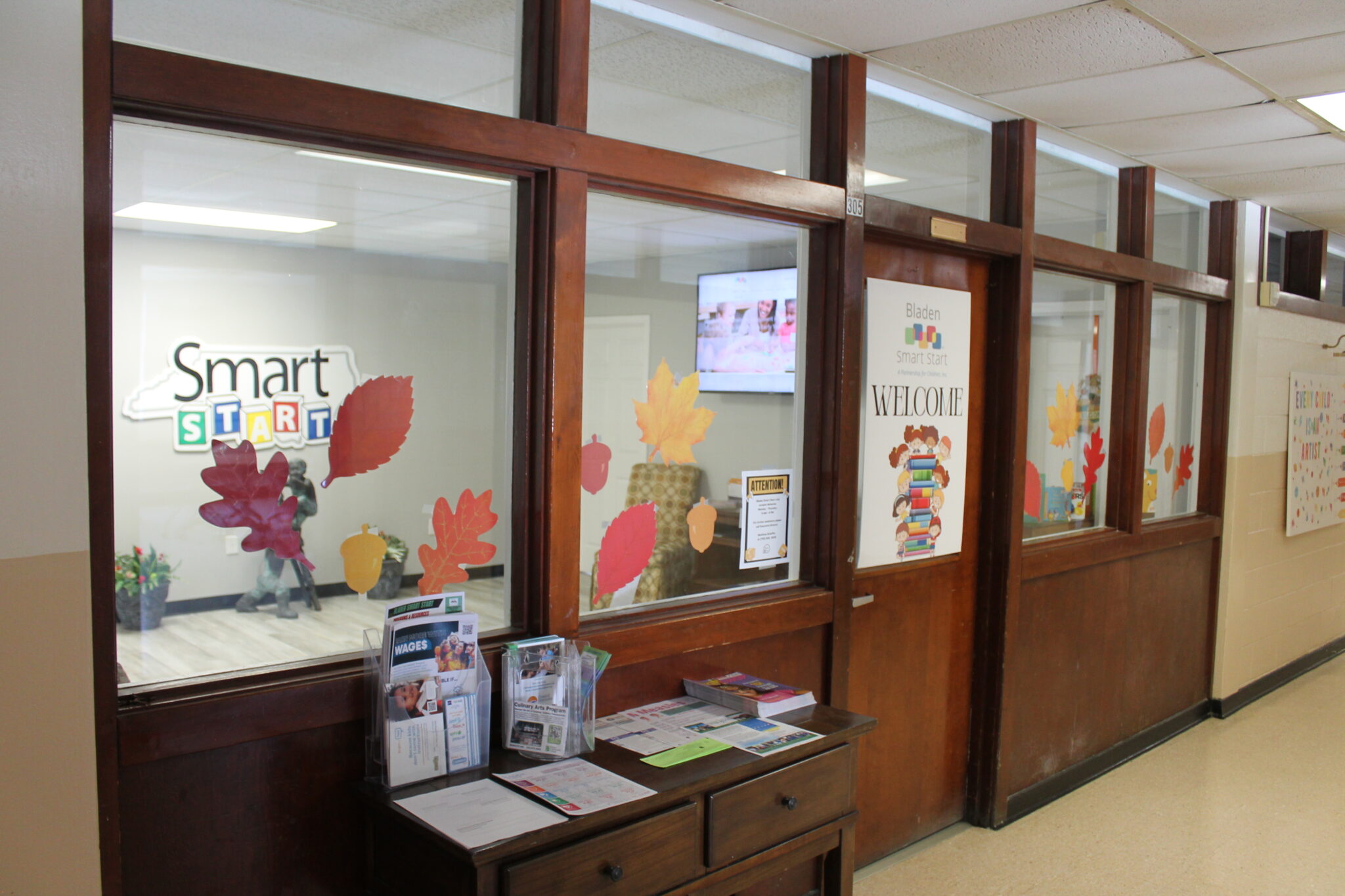
Guests had the opportunity to tour the new culinary facility in the old cafeteria, step into refurbished classrooms across the hall from the new Smart Start offices, and even pop their heads into the beloved old gymnasium.
“So the gym is a standalone building that we’re going to actually try to refurbish and make into a community event space,” Lee said. “The community was distraught when the school closed, and so I want to try to do something to make sure that we don’t lose that history and the roots and the community appreciation of that space, and I think that gym is going to be where we’ll do that.”
And there are more developments in the works.
BCC received almost $50,000 from the Preschool Development Grant Birth-Through Five to start offering child care academies in 2026. Lee said this is BCC’s first time receiving a federal grant, which they learned about through EdNC’s coverage.
Lee said having Bladen Smart Start, now led by Matthew Schaeffer, already on campus will be a huge help in getting the academy off the ground.
“One of the things we’re really trying to get going is we really want to get some training for the early childhood educators, and maybe even bring in a family engagement component,” Schaeffer said.
Being in Clarkton, in a school that community members feel deeply connected to, makes Smart Start’s child care resources easily accessible to the public. And sharing space with BCC puts those resources in easy reach of the college’s early childhood education program, too.
BCC also received a $285,000 grant from the NC Tobacco Trust Fund Commission that will go toward developing their agribusiness program at Booker T. Washington.
And next semester, Lee says BCC will offer a course called Bladen Together, directed toward working parents, on Tuesday nights from 5:30 p.m. to 8:30 p.m.
The parent goes off to class, and then their children are going to come to our kitchen area and help cook dinner. We want to kind of — excuse the pun but — bake in different things, like what do you do with a sweet potato? We have tons of sweet potatoes! How do you fix them? How are they going to be good? Then we’re going to come together for a family meal. And during the family meal, we’re going to talk about etiquette, we’re going to talk about our manners, and then after dinner, the parents will go back and take their second class. The children will help clean up just a little bit, because then they’ll go and do homework, and we’ll have tutors out with homework help.
— Dr. Amanda Lee, Bladen Community College president
It’s plans like these that have made the revival of Booker T. Washington well received by the community.
Annie Rhodes, the Booker T. Washington graduate who compiled the school’s history, wrote in a note to Lee, “Thank you all for keeping my alma mater alive.”
“It has been very healing,” Bryant said. “When you live in an area where the resources are challenged as much as they are in Bladen, you have to find ways to collaborate and build partnerships and work together because that is what is for the good of all the institutions, all of the citizens of the area.”
Atkinson agrees.
“What was tough probably for the Booker T. community, now it’s like that blessing has returned, and now you’ve got this facility that’s helping families, helping our students,” Atkinson said. “Even though it was a closed Bladen County School, it’s now repurposed, and who’s to say what else could be done in the future?”
Lee, who both Bryant and Atkinson referred to as a “visionary,” has her sites set squarely on the future, especially when it comes to expanding the availability of high-quality, affordable child care in the community. She’s still thinking about those “magical” pre-K classrooms.
“We’ve got this blank slate, and who knows where we’ll land?” Lee said. “I just want it to be impactful, whatever we decide.”
This article first appeared on EdNC and is republished here under a Creative Commons Attribution-NoDerivatives 4.0 International License.